
Camping guide
Camping on Fehmarn and along the Baltic
Five guides to the questions that come up before a camping holiday by the sea. Written for Fehmarn, but most of it applies to the whole German Baltic coast.
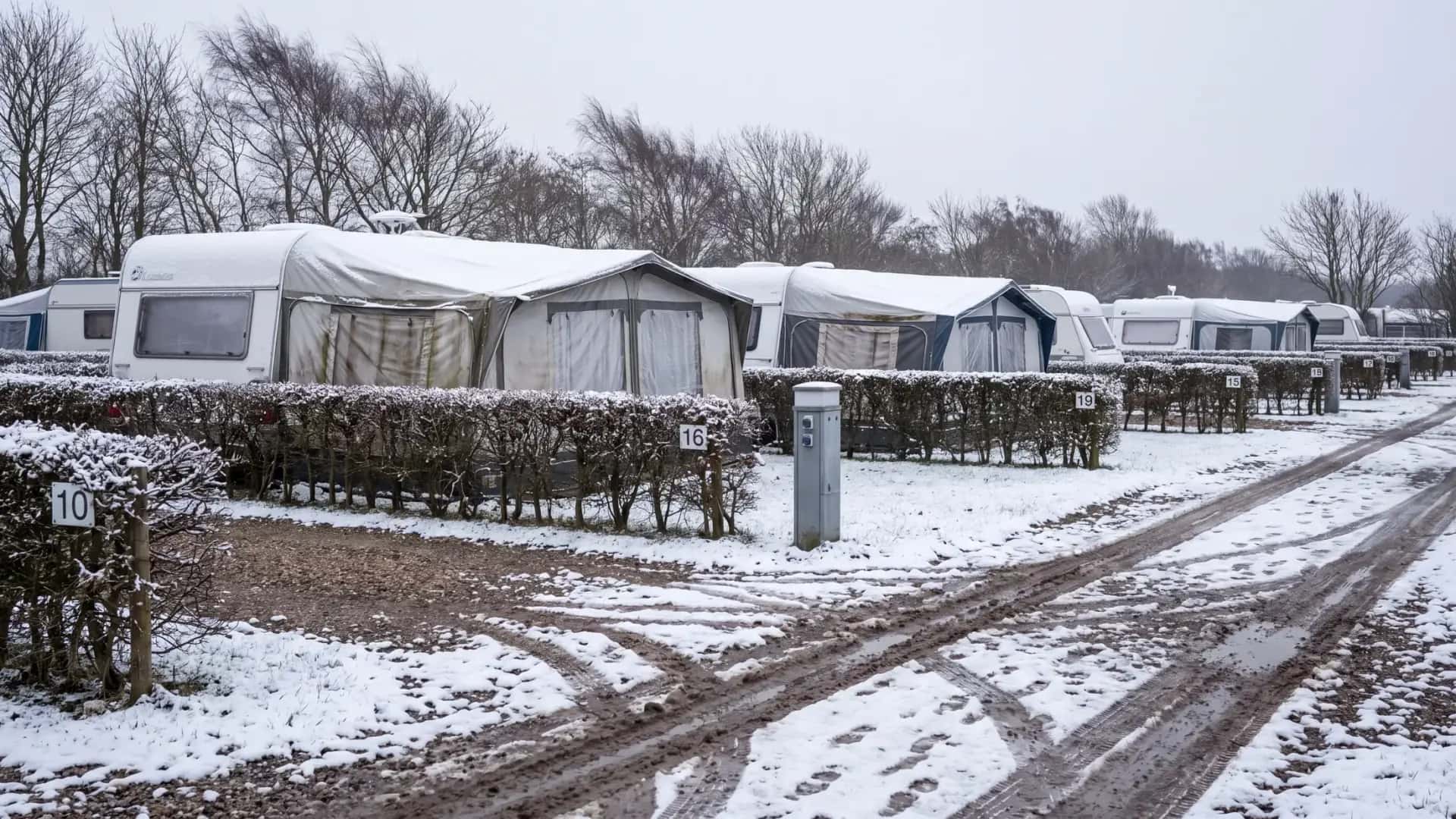
Open all year round
Winter Camping on the Baltic Sea
Gas, condensation, power: what actually matters in winter, and why the coast works differently from the mountains.
Read the guide
Dog-friendly
Camping with a Dog on the Baltic Sea
Lead rules, dog beaches and how to tell a genuinely dog-friendly site from one that merely tolerates dogs.
Read the guide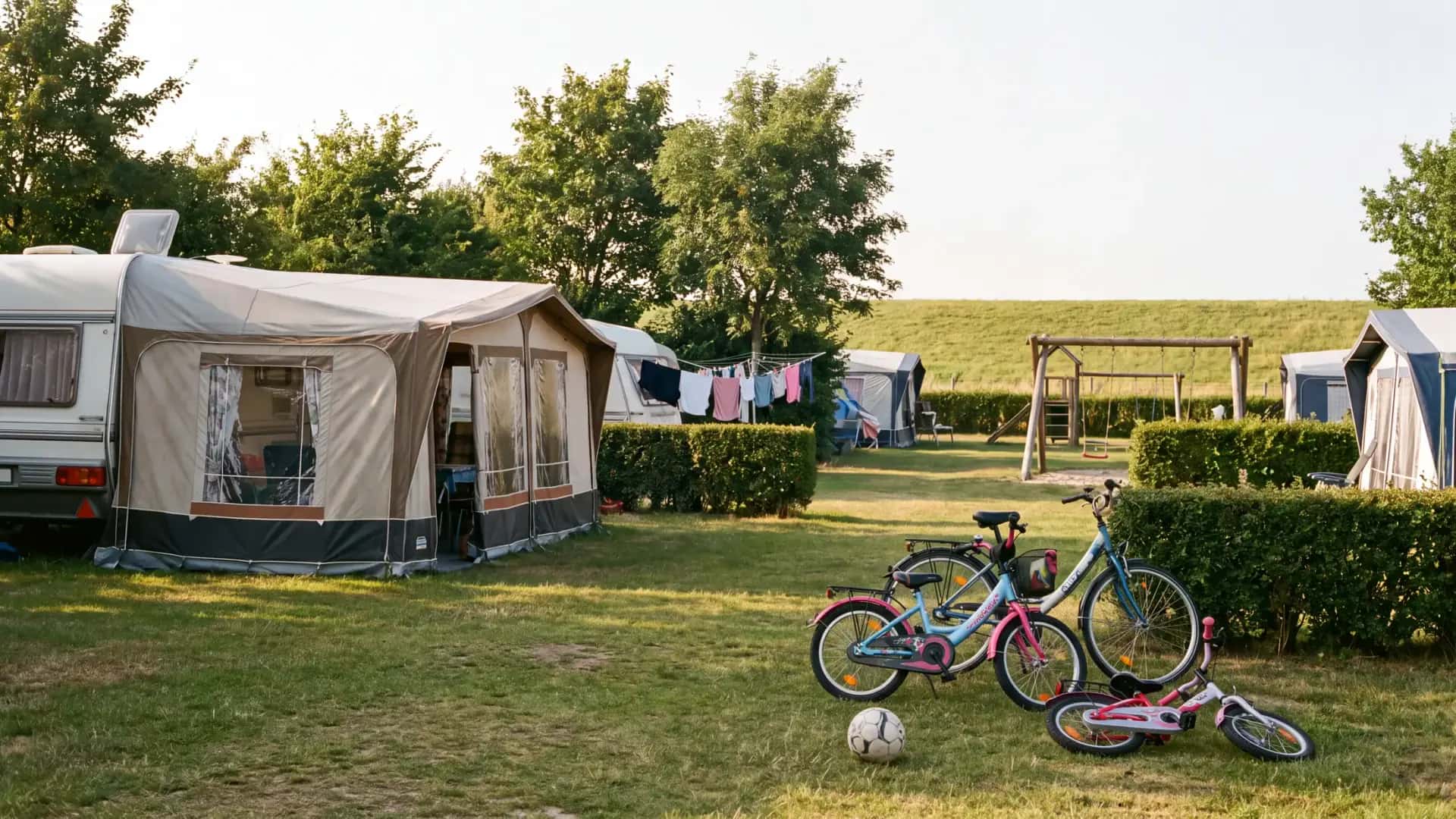
For young & old
Family Camping on the Baltic Sea
How to spot a site that works with children, and why a gently shelving beach beats the activity programme.
Read the guide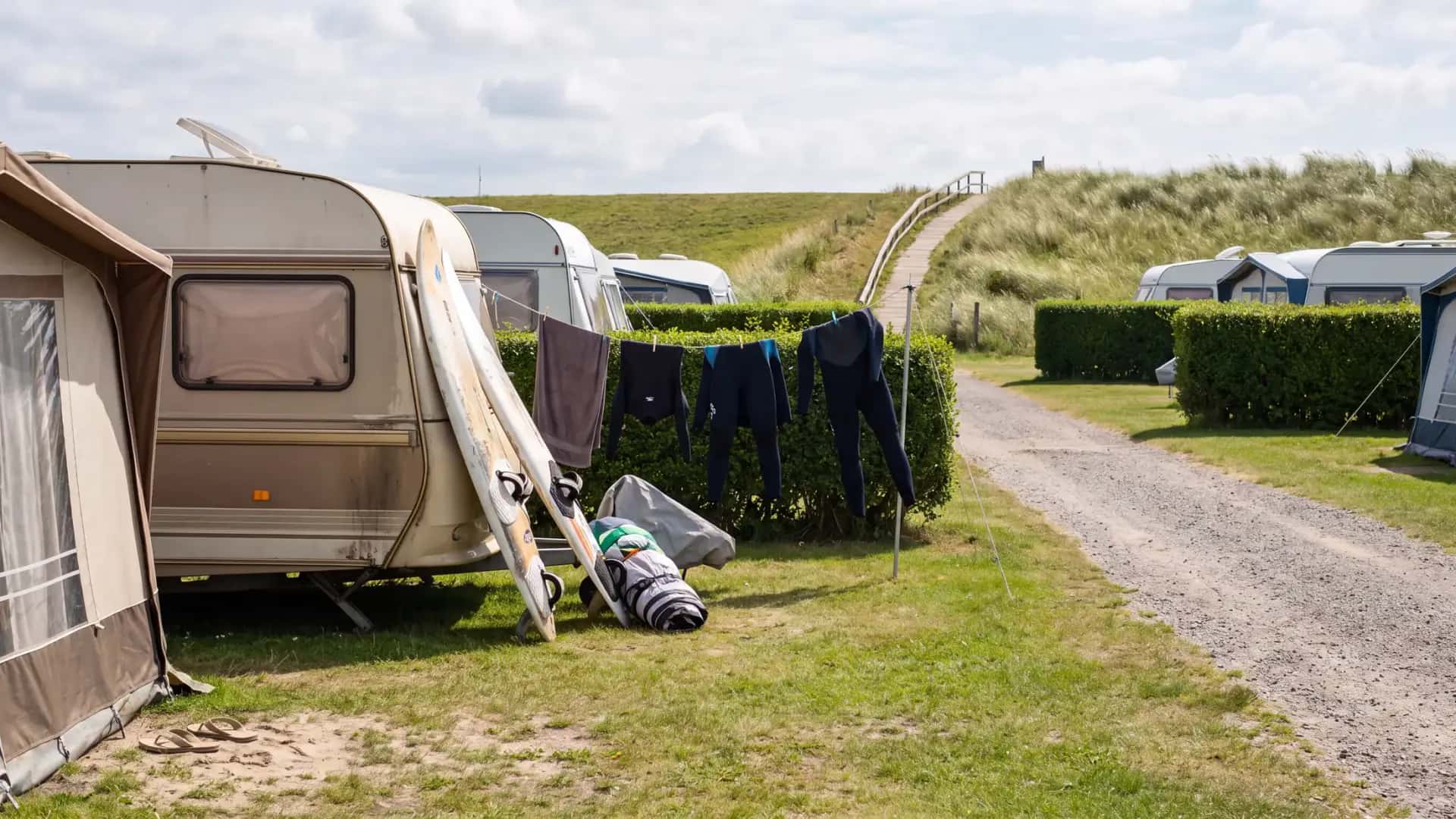
Surfing, kiting & more
Surfing, Kiting and Watersports on the Baltic
Why the Baltic is a wind area rather than a wave area, which wind direction turns dangerous and where beginners should start.
Read the guide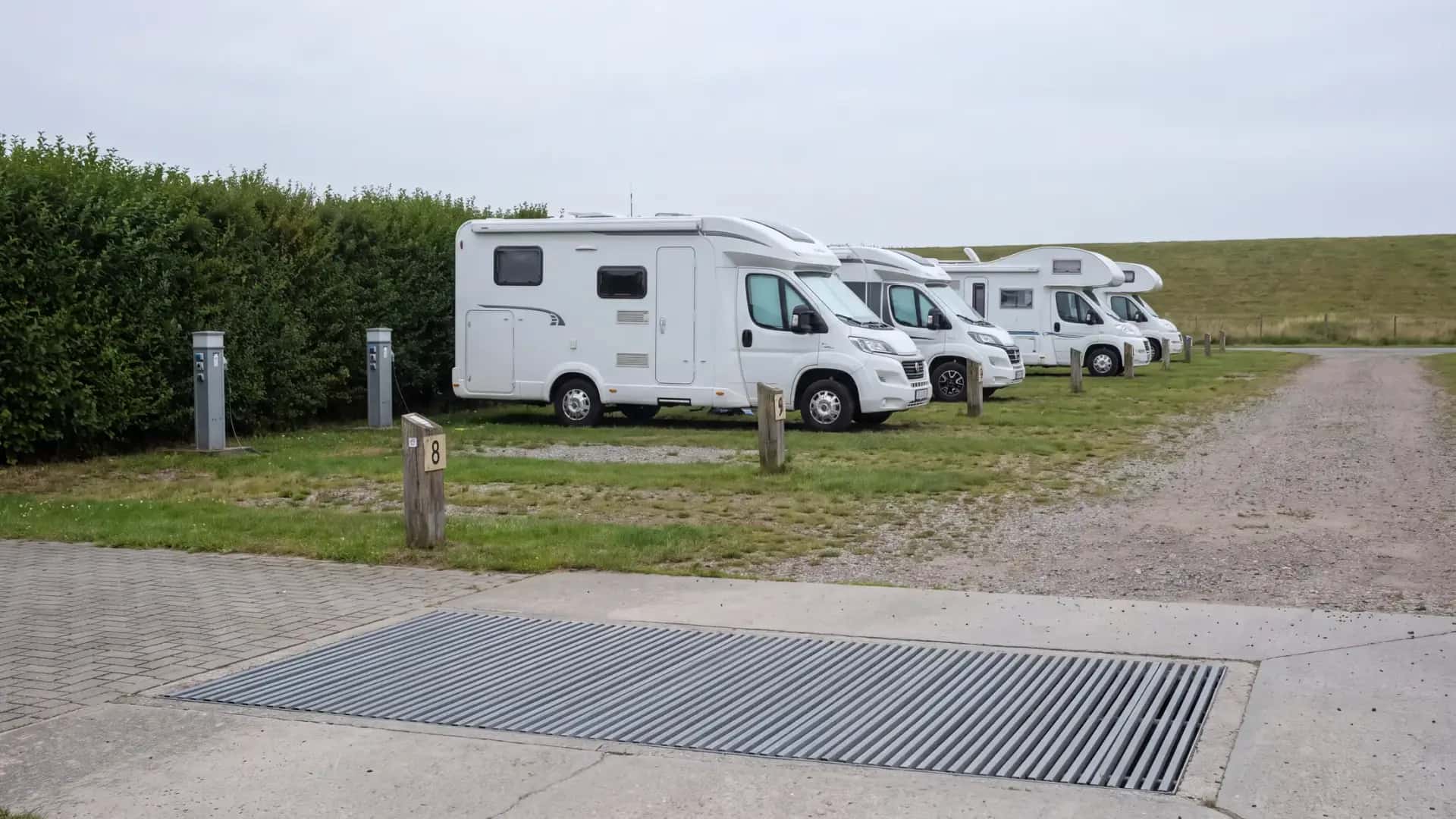
Supply & disposal
Motorhome Pitches on the Baltic Sea
Stellplatz or campsite, how the service point works, what the amp rating means and what applies to wild camping.
Read the guideWhy the island
What makes camping on Fehmarn different
Fehmarn is 185 square kilometres with 78 kilometres of coast, which means no campsite is far from the water and you always have a sheltered side. On an island the wind decides which coast works today, and there is always one that does. On the mainland coast you do not have that choice.
The second difference is density. Seventeen campsites share one island, from a quiet family site with fifty pitches to a five-star holiday park with its own golf course. That range in such a small area is unusual on the German Baltic.
And Fehmarn is one of the sunniest places in Germany, with roughly 2,000 to 2,100 hours of sunshine a year. That is where the nickname comes from, and it is the reason the season here starts earlier and ends later than further inland.
Baltic basics
What the Baltic asks of you
Camping by the Baltic works differently from camping in the mountains or by a lake, and most of it comes down to two things: wind and the absence of tides.
The wind is constant enough that windbreaks, guy ropes and a properly pegged awning matter more than anywhere inland. Almost every coastal site has a dike, a hedge or a bank of trees between the pitches and the water, which is why a genuine sea view from your pitch is the exception rather than the rule.
The missing tide, on the other hand, makes everything simpler. The waterline stays where it is all day, so a beach that is safe for small children in the morning is still safe in the afternoon. On the North Sea you plan around the tide table; here you do not have to.
Timing
When to go
- April to mid-June
- Cool water, empty sites, low rates. Best for anyone who wants quiet and does not need to swim.
- Mid-June to August
- Warmest water, full activity programmes, highest prices. Book ahead, particularly at weekends.
- September and October
- Water still warm from the summer, strong wind for watersports, sites emptying out. The insiders' season.
- November to March
- A handful of sites stay open. Empty beaches, heated sanitary buildings, and you need to think about gas.
Before you book
Five things worth clarifying
Campsite websites tend to describe the same features in the same words. These are the points that actually differ and that a two-minute phone call will settle.
- How the pitches are divided: hedges, markers or open grass. This decides how much privacy you get.
- What the ground is like after rain. Grass right behind the dike drains slowly and a heavy vehicle sinks in.
- Whether power is at the pitch or at a shared bollard, and how many amps.
- How far it is to the sanitary building. At night, with children, every metre counts.
- What the site is like in the evening. Some are lively until late, others are quiet from nine.
17 campsites on one island
Every site on Fehmarn has its own character. Browse through all of them and find the one that fits.
See all campsites on Fehmarn